Learning to count money is an essential skill for kids. Not only does it help with math, but it also teaches valuable real-world knowledge. For 1st graders, counting money can be a fun and interactive way to learn about numbers and currency.
Introducing the concept of money to young children can be exciting and educational. By using coins and bills, kids can practice counting, adding, and subtracting in a practical way. It’s a hands-on approach that can make learning math more engaging and relatable.
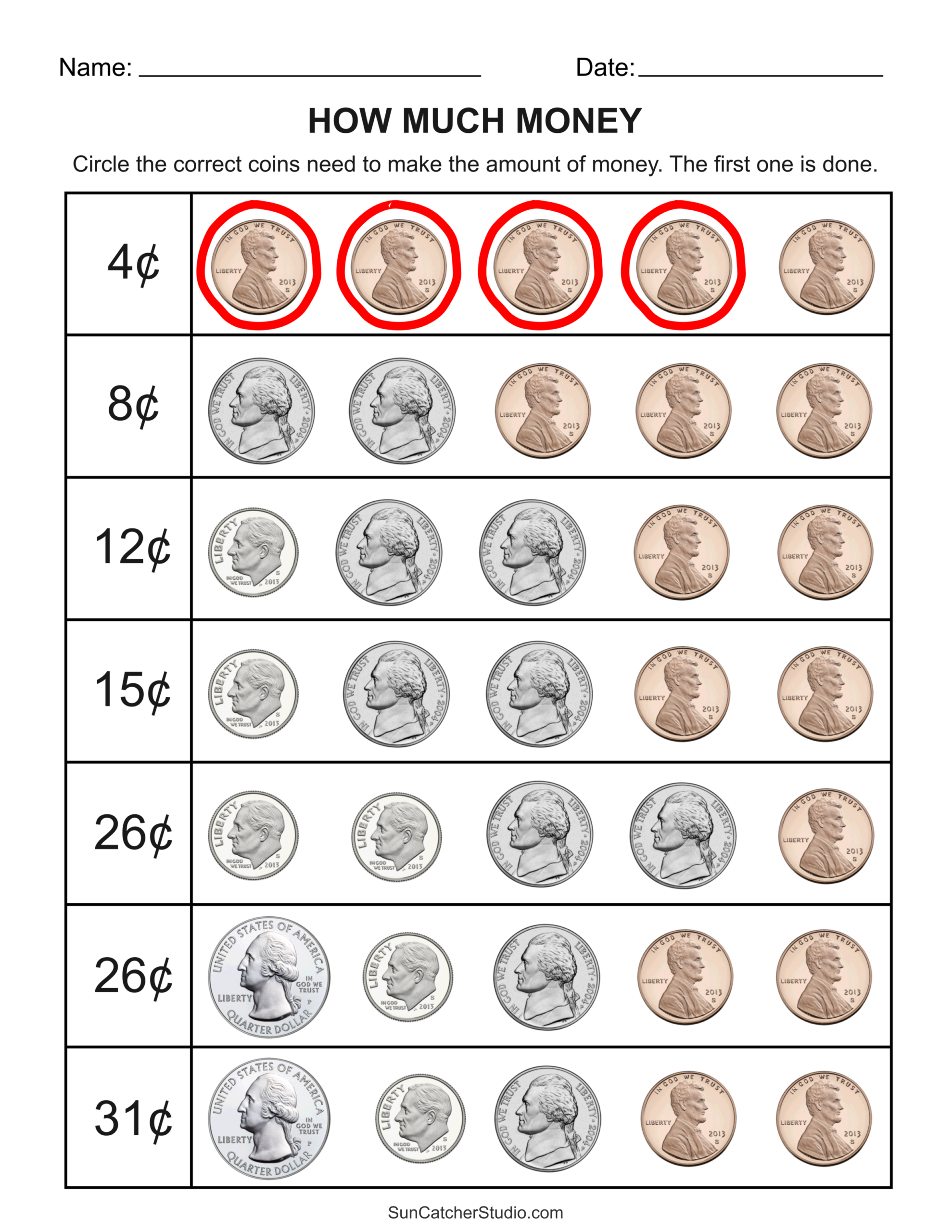
counting money for 1st graders
Counting Money for 1st Graders
Start by teaching kids the names and values of different coins, such as pennies, nickels, dimes, and quarters. Use visual aids like flashcards or play money to help them recognize each coin and understand its worth. Encourage them to count coins individually and in various combinations.
Engage children in real-life scenarios where they can practice using money, such as playing store or setting up a pretend market. This hands-on experience allows kids to apply their counting skills in a practical context and reinforces the concept of value and exchange.
As children become more comfortable with counting money, challenge them with more complex tasks like making change or comparing the value of different sets of coins. Encourage them to think critically and problem-solve using their newfound skills in counting money.
By making learning fun and interactive, counting money can be an enjoyable experience for 1st graders. It’s a valuable skill that not only strengthens math abilities but also helps kids develop a practical understanding of the world around them.
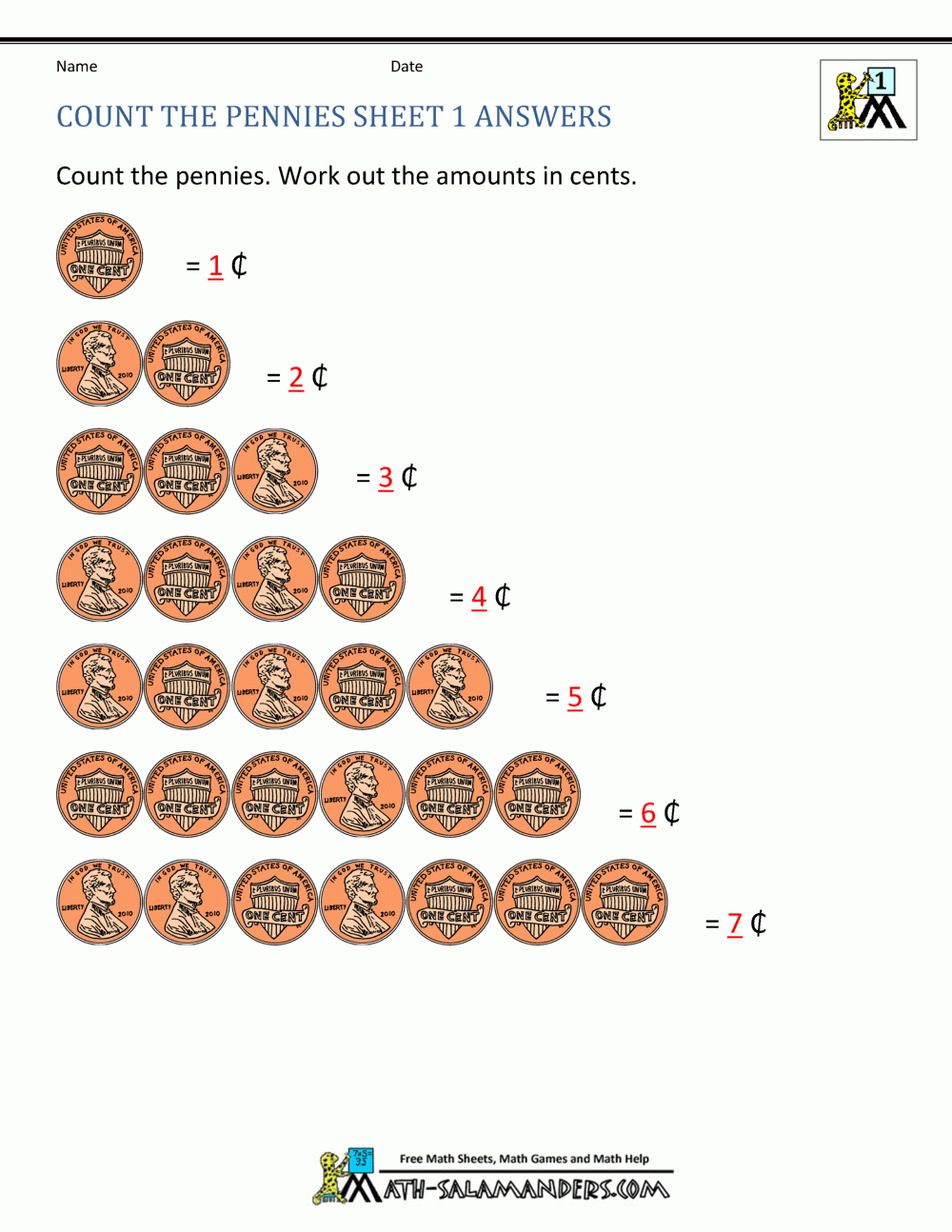
Free Math Money Worksheets 1st Grade

Counting Money Worksheets Up To 1
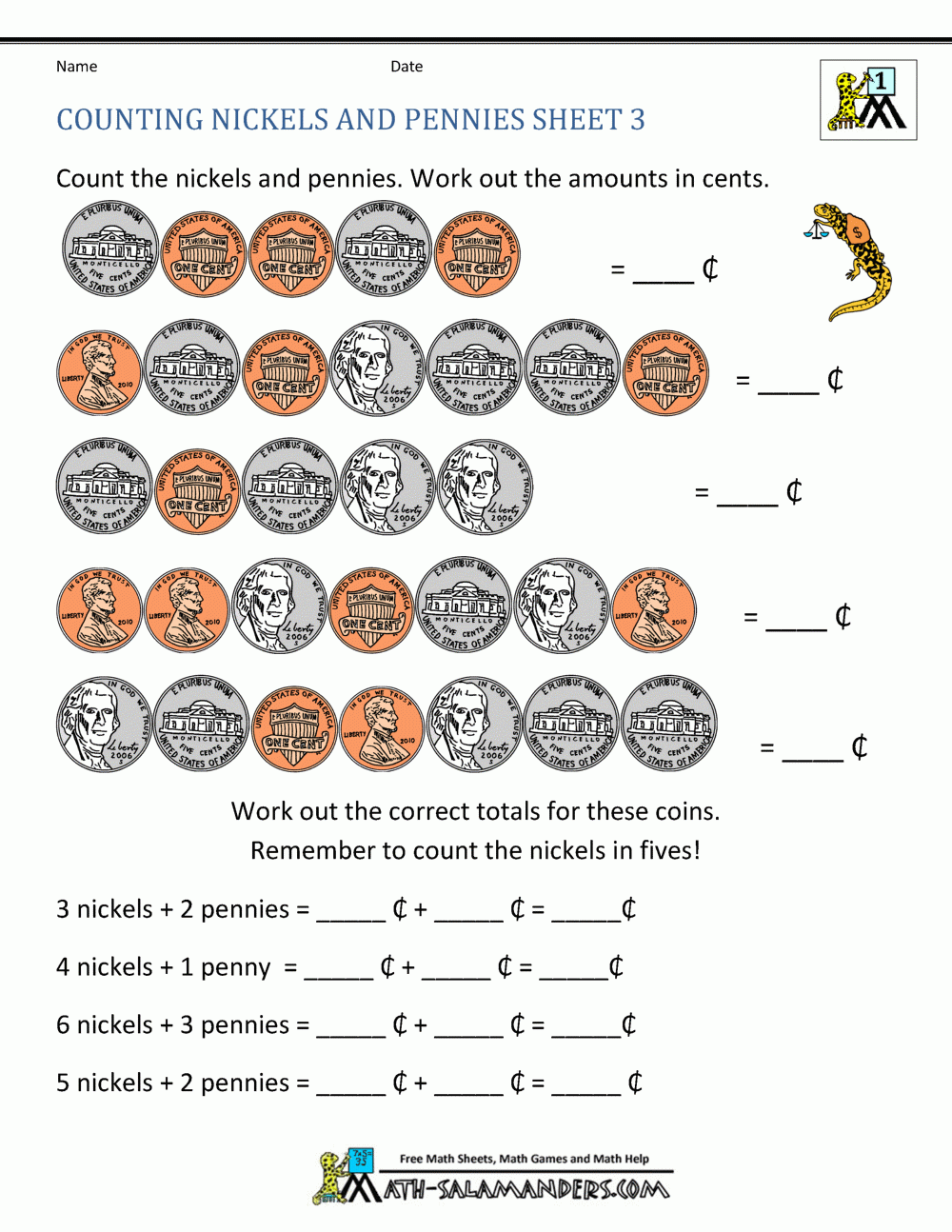
Counting Money Worksheets 1st Grade
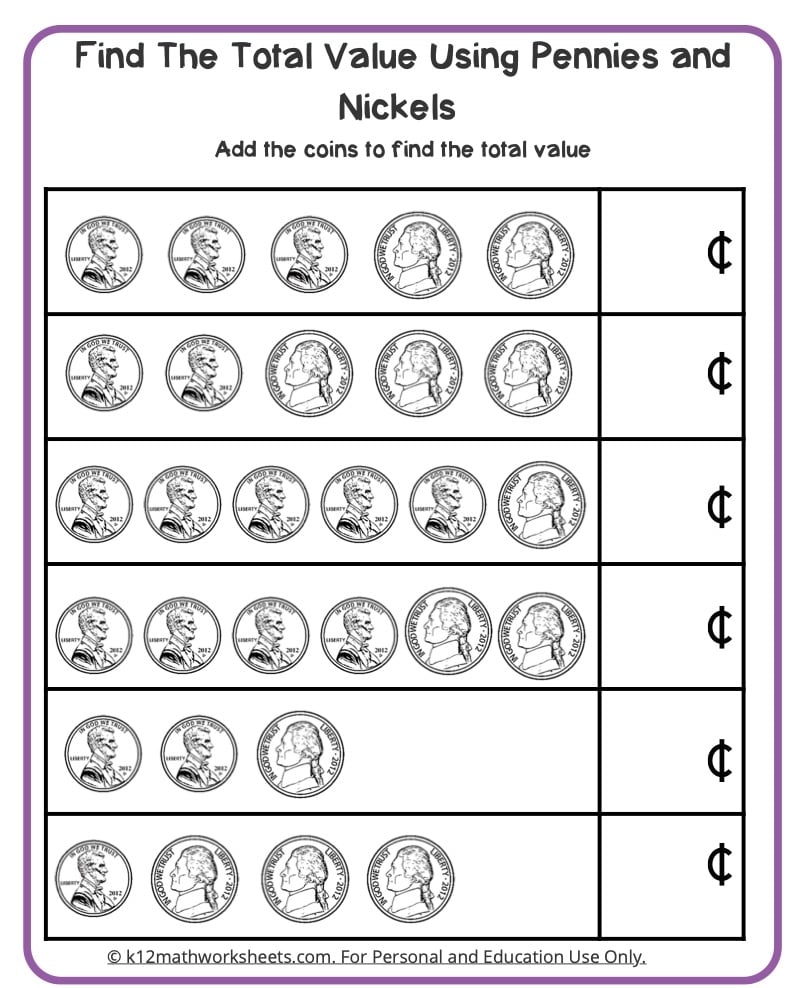
Counting Money Worksheets
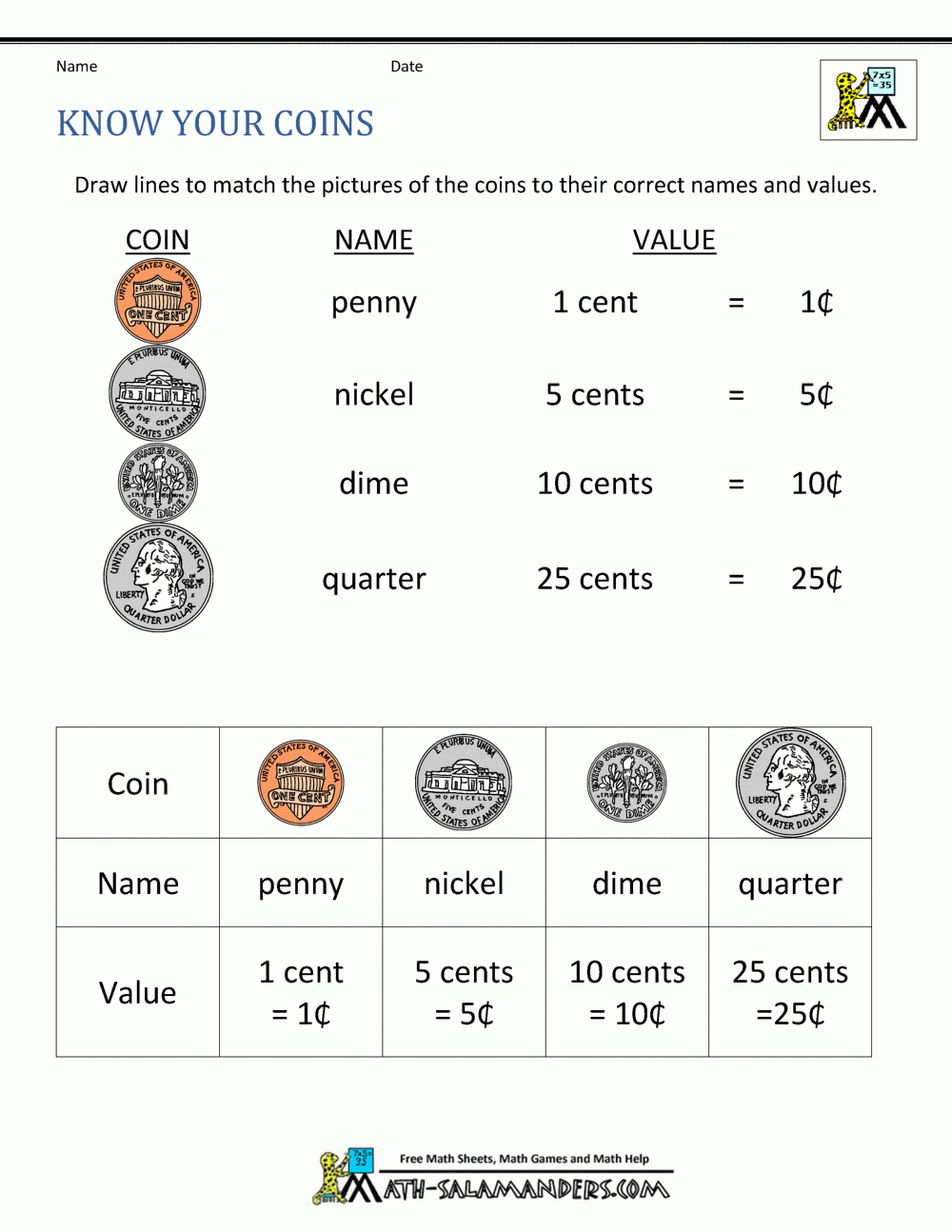
Counting Money Worksheets 1st Grade